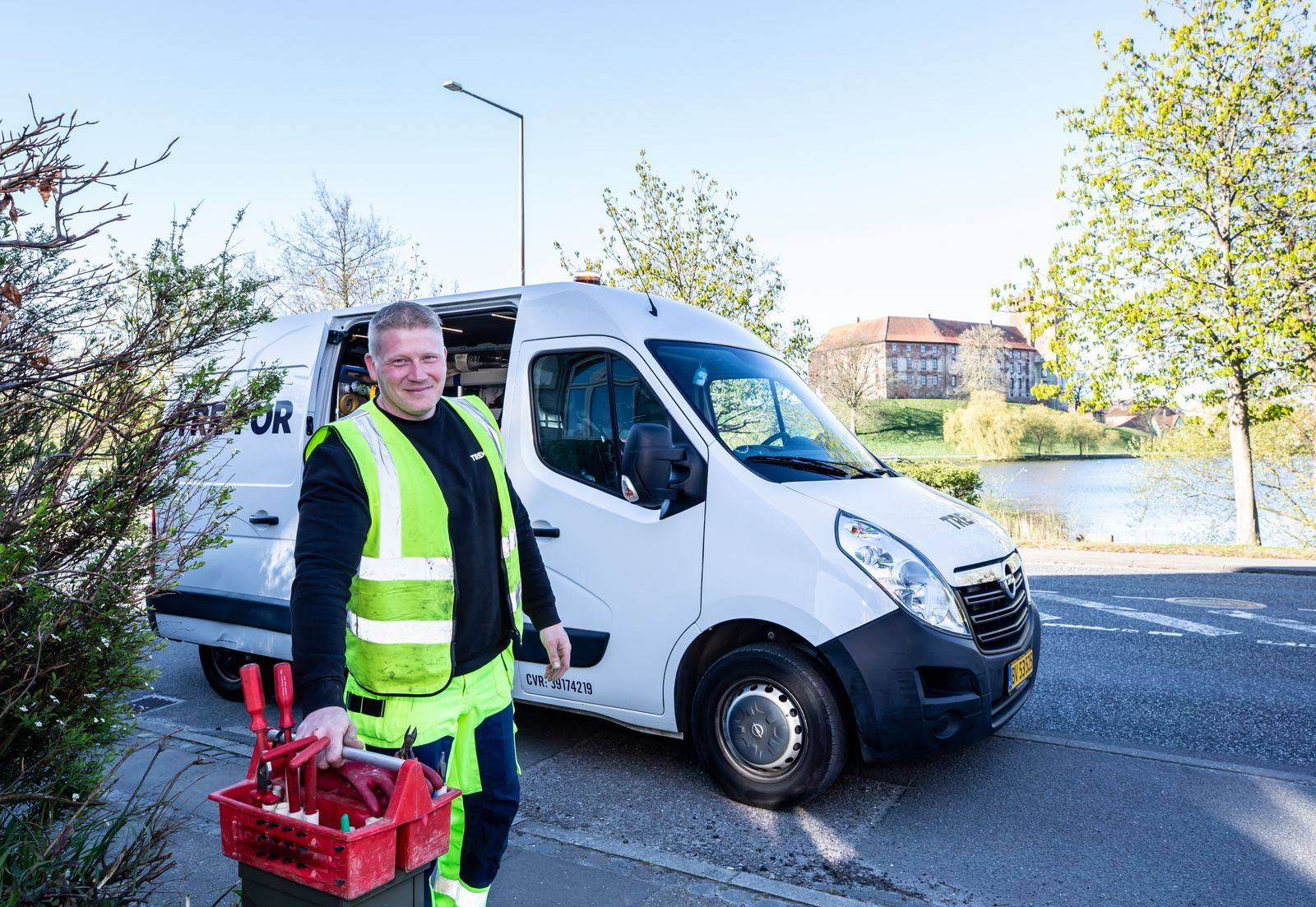
A tankless water heater keeps no reserve of hot water. It waits for a faucet to open, senses the flow, fires a burner or energizes its elements, and heats water as it races through a compact heat exchanger. That on-demand design is efficient and space-saving, but it packs a lot of sensors and controls into one small cabinet, and every one of them has to agree before you get hot water. When one of them objects, the unit shuts down and posts an error code. In Springfield, MA, the usual culprits are mineral scale coating the heat exchanger, a flow sensor that no longer registers demand, an igniter or flame rod that cannot prove the flame, and venting or gas supply problems that trip the unit's safety limits.
Error codes are a starting point, not a verdict, and we treat them that way on every Springfield call. The same ignition failure code can come from a worn igniter, a fouled flame rod, a gas line too small to feed the burner at full fire, or an air intake clogged with lint. That is why Springfield Water Heater tests before replacing anything. Our technicians read the fault history stored in the control board, watch flow sensor output with a faucet open, measure flame signal and igniter resistance, and put a manometer on the gas inlet to see what pressure actually reaches the valve when the burner is running flat out. We also compare inlet and outlet temperatures against the flow rate, which exposes a scaled heat exchanger long before it fails outright.
The good news is that most tankless problems are very fixable. Scale can be flushed out, sensors and igniters are replaceable parts, and venting faults usually come down to a blocked intake or a loose joint. We carry common parts for the major brands and service both gas and electric units, so a typical tankless repair is done in one trip. We are also honest about the harder cases: a unit fed by a gas line too small for its full BTU rating will keep throwing codes until the line is upsized, and a heat exchanger damaged by scale may not be worth repairing on an older heater. And if your complaint is the cold-water sandwich, that brief burst of cold between two hot draws, we will tell you whether it is normal for your model or something we can reduce. Is your tankless heater showing a code? Call (413) 200-3427 today.
Our most requested service is Water Heater Repair in Springfield. Start there if you're not sure what you need.
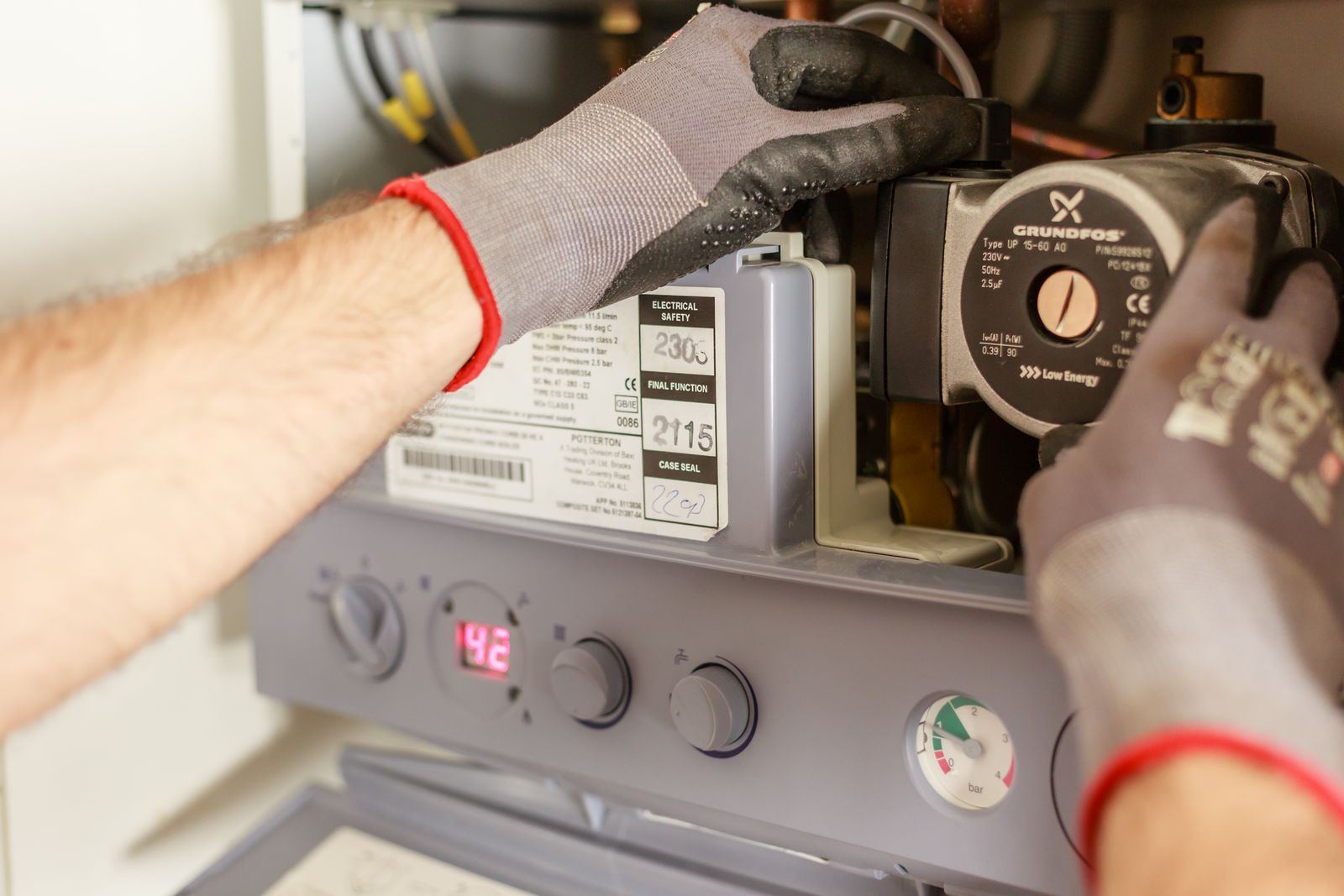
Symptoms That Mean It's Time to Call
Catching a symptom early is often the difference between a quick part swap and a tank that gives out on the garage floor. Watch for these telltale signs that professional help is needed:
- A fault code on the front panel and no hot water
- A heater that only fires when water runs at full blast
- The unit clicking or trying to light several times before giving up
- Outlet temperature that surges and sags while water is running
- A combustion fan that sounds louder or rougher than normal
- Cold slugs in the middle of hot water that last longer than before
- Temperature dropping sharply when a second shower or the dishwasher starts
- Leaks under the unit or around its water connections
Don't Wait for a Total Failure
Left alone, even minor symptoms like rumbling or temperatures that swing from hot to warm tend to mean the heater is working its way toward a breakdown. If you notice any of these signs, contact Springfield Water Heater at (413) 200-3427 for a prompt inspection.
No Hot Water? We Can Help.
We'll diagnose the problem and give you a straight answer on the fix.
Call (413) 200-3427 NowWhat Homeowners Ask Us Most
Why Hire a Professional for Tankless Water Heater Repair?
Start with what is at stake. A gas-fired tankless heater can burn nearly 200,000 BTU per hour at full fire, and its vent is the only thing carrying carbon monoxide out of the house; a joint that pulls loose or an intake that gets blocked changes that in a hurry. Electric tankless models are serious electrical loads, frequently more than 100 amps spread over several 240-volt circuits. Then there is the diagnostic puzzle. Error codes point to a system, not a part, so a flow sensor fault, a scaled heat exchanger, and a bad thermistor can look nearly identical on the display, and guessing gets expensive.
What you get from a professional is certainty. Instead of swapping parts, our technicians confirm the fault with a meter, a manometer, and temperature readings, so the fix is aimed at the actual cause. Scale is removed with a pump through the service valves rather than vinegar poured in and left to chance. Gas pressure is checked with the burner at full output, vent runs are inspected against the manufacturer's length and clearance limits, and the unit is tested at low and high flow before we leave. Proper service also keeps you in line with the manufacturer's warranty terms, many of which expect qualified service and regular descaling.
What to Expect From Our Team
Good water heater work comes down to a consistent routine, and ours starts with a real diagnosis instead of a guess. Here's what you can expect when you choose Springfield Water Heater:
Read the Unit First
Every visit starts at the control board. We read the current code and past faults, then confirm the diagnosis with a meter and a manometer on the flow sensor, ignition parts, gas supply, and vent.
Plain Findings & Firm Quote
We show you the failed part, explain the cause, and give you a firm price before work begins. If scale has cracked the heat exchanger or the unit is near the end of its life, we say so plainly.
Repair & Descaling
Most tankless repairs are finished in one trip: a descaling flush, a new flow sensor, igniter, or flame rod, a cleaned inlet screen, or a corrected vent connection.
Tested Under Load
Before we pack up, we open fixtures at low and high flow, measure the temperature rise, and make sure the burner and vent perform at maximum output.
Simple Ways to Extend Your Water Heater's Life
A few simple habits, like an annual flush and a quick look at the relief valve, can add years to a tank. Here are our recommendations:
- Rinse the small filter screen on the cold inlet every few months
- Keep the vent termination and air intake clear of leaves, nests, snow, and lint
- Tell us before adding a gas appliance, so the gas line can be checked for the extra load
- Protect the heat exchanger with a softener or scale inhibitor when your water is hard
- Have the unit descaled at least once a year, or more often if your water is hard
- Do not keep resetting a recurring code; note it and have it checked
- Never cut power to an outdoor or garage unit in winter, because it needs electricity to protect itself from freezing
Doing It Yourself vs. Hiring a Technician
The line between a safe DIY check and a risky repair is usually the moment you need to open a gas fitting, a vent connection, or an electrical cover. A side-by-side look:
| Consideration | Doing It Yourself | Professional Service |
|---|---|---|
| Reading the Code | Swap parts until the code clears | Each suspect part tested with a meter |
| Descaling | Vinegar poured in without proper valves | Full descale, then a thorough rinse |
| Gas & Venting | No way to test pressure at full fire | Combustion, venting, and gas supply checked |
| Board & Wiring | Live wiring inside the cabinet | Wiring and connectors tested safely |
| Replacement Parts | Wrong sensor ordered on a guess | Model-matched parts, often on the truck |
| Result | Code returns within weeks | Unit tested at low and high flow |
Book a Visit Today
Get your hot water back before a small fault turns into a flooded floor. Springfield Water Heater is ready to respond fast.
Call (413) 200-3427 NowWhere We Provide Tankless Water Heater Repair
Wherever you are in the area, the same experienced team shows up with the same parts and the same pricing. Find your community below.