
Most gas water heaters in Springfield, MA work the same basic way. Gas enters through a control valve that doubles as the thermostat and feeds a burner beneath the tank, and the hot exhaust travels up a flue through the middle of the tank and out through the vent. A thermocouple, or a flame sensor on newer electronic models, tells the valve a flame is present; without that signal, the valve shuts off the gas for safety. The design is dependable, but it has a few predictable weak spots. Thermocouples wear out, pilot tubes and burner ports clog, the flame arrestor screen at the base packs up with lint and dust, control valves fail, and vents lose their draft.
Diagnosing a gas water heater properly means checking combustion, not just parts. Across Springfield, our technicians measure thermocouple output in millivolts, study the pilot and burner flame for color and shape, read gas pressure at the valve, and test draft at the hood so we know exhaust is leaving the house. We check the combustion chamber for soot and scorching, which point to a blocked flue or poor combustion air, and we test for carbon monoxide near the heater. Keep one rule in mind: a gas smell means leaving the house and calling the gas utility from outside before anything else, and Springfield Water Heater can take over from there.
The fix is usually straightforward once the cause is known. A new thermocouple or flame sensor, a cleaned pilot tube and burner, a cleared flame arrestor screen, or a replacement gas control valve gets most heaters running again the same day. Vent problems, like a disconnected connector or a flue pipe without enough rise, are corrected on the spot. If sediment is rumbling in the tank, we flush it, and if the anode rod is spent, we can replace it. When replacement is the smarter move, we install new gas heaters sized to your household's first-hour demand, with proper atmospheric, power vent, or direct vent venting, a drip leg on the gas supply, and the expansion tank, drain pan, and strapping your local code calls for. Need a gas water heater fixed in Springfield? Call (413) 200-3427 today.
Our two most requested services are Water Heater Repair in Springfield and Water Heater Installation in Springfield. That's the place to start for most homes.
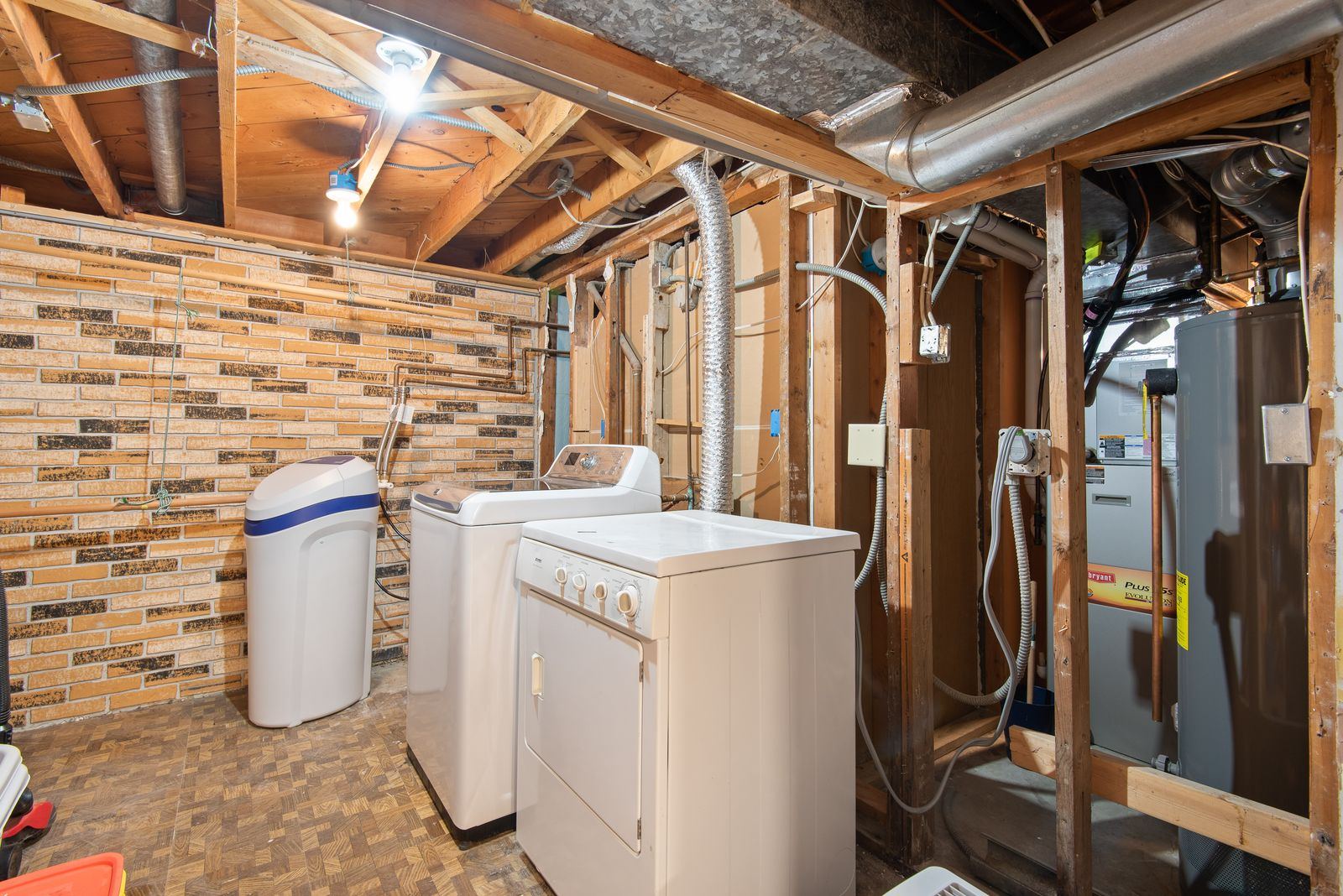
Signs You Need Gas Water Heater Services in Springfield
Recognizing the warning signs early can save you money and keep a slow drip from turning into a flooded utility room. Here are the most common indicators that it's time to call a professional:
- A cold tank and a burner that will not come on
- A rotten-egg odor near the water heater, in which case get out and call the gas company first
- A pilot that lights, then goes out when you release the knob
- A vent pipe that has separated, rusted, or left scorch marks near the top of the heater
- Loud rumbling from the bottom of the tank
- A flame that looks orange or floppy rather than steady and blue
- Less hot water than the tank should deliver
- Water pooling around the base of the heater
Early Action Saves Money
Most water heater failures start small: a popping sound from sediment, a damp spot under the drain valve, or a shower that goes lukewarm a few minutes sooner each week. A quick call to (413) 200-3427 gets a technician out to check it before it becomes an emergency.
Get Gas Water Heater Services Handled Today
Our experienced technicians are standing by to help.
Tap to Call (413) 200-3427Frequently Asked Questions About Gas Water Heater Services
Why Hire a Professional for Gas Water Heater Services?
Gas water heaters are among the riskiest appliances to work on without training, largely because you cannot see the biggest hazards. A gas connection that is not quite tight can leak slowly for days. A vent connector that has lost its slope, or a flue partly blocked by debris, can let carbon monoxide spill into the house every time the burner fires, with no smell to warn you. Gas valve and heater replacements also typically require a permit and an inspection. Relighting a pilot by following the label is something most homeowners can do; almost everything past that deserves a technician.
Professional service gets you a correct answer and a safe appliance. Instead of trial and error, we confirm thermocouple output, gas pressure, burner flame, and draft with proper tools. Every gas connection we make is tested for leaks before we leave, and vent connectors are secured with the right slope and clearances. When a replacement is needed, we size the new heater by first-hour rating, handle the permit where one is required, and add the expansion tank, sediment trap, drain pan, or seismic straps your home needs. You end up with hot water and peace of mind.
From Your Call to Hot Water
Every visit follows a step-by-step method built around testing first and replacing parts only when the readings call for it. Here's the short version:
Find the Real Fault
Before anything is replaced, we confirm the heater is safe to work on and test each part of the ignition, gas, and venting systems to pinpoint the failure.
Repair or Replace, Explained
We show you what failed, explain why, and give a firm price before work begins. If the tank is leaking or near the end of its life, we tell you so.
Same-Visit Repair
Most fixes happen right then, from a new thermocouple to a cleaned burner or corrected vent. New installs include gas line work, a sediment trap, and the code items your home needs.
Full Safety Test
With the burner running, we check every gas joint for leaks, confirm the vent drafts properly, and verify the burner flame and water temperature before we leave.
Want a Professional Opinion?
Our technicians can assess your water heater and recommend the option that actually makes sense.
Tap to Call (413) 200-3427Water Heater Care Tips From Our Technicians
A little routine care goes a long way toward keeping a water heater running well past its expected lifespan. Here's where to begin:
- Set the gas valve near 120 degrees, because hotter water costs more and can scald
- Never store flammable liquids near a gas water heater
- Replace a spent anode rod before the tank itself starts to rust
- Keep working CO alarms near bedrooms and on each floor
- Flush a few gallons from the drain valve periodically to control sediment
- Clean dust from around the base so the burner gets plenty of combustion air
- Make sure the vent pipe stays connected, sloped upward, and free of rust
DIY vs. Professional Gas Water Heater Services
Some simple checks are fine to do yourself, but most water heater repairs benefit from professional tools, training, and experience. Here's a comparison:
| Factor | Doing It Yourself | Professional Service |
|---|---|---|
| Finding the Fault | Guess between pilot, valve, and draft problems | Each part tested before anything is replaced |
| Gas Connections | Joints tightened without a proper leak test | Gas piping verified tight and sound |
| Exhaust Safety | Carbon monoxide risk unchecked | Spillage and CO checked at the appliance |
| Permits & Code | Local code items easy to miss | Permit handled where required |
| Tank Condition | Tank condition never evaluated | Sediment flushed, anode checked |
| Outcome | Pilot goes out again next week | Real fault repaired and tested |
Talk to Our Gas Water Heater Services Team
The sooner you call, the sooner the hot water is back. Reach Springfield Water Heater for fast service.
Call (413) 200-3427 NowWhere We Provide Gas Water Heater Services
We serve Springfield and its neighboring towns for gas water heater services, from quick same-day repairs to planned installs.